
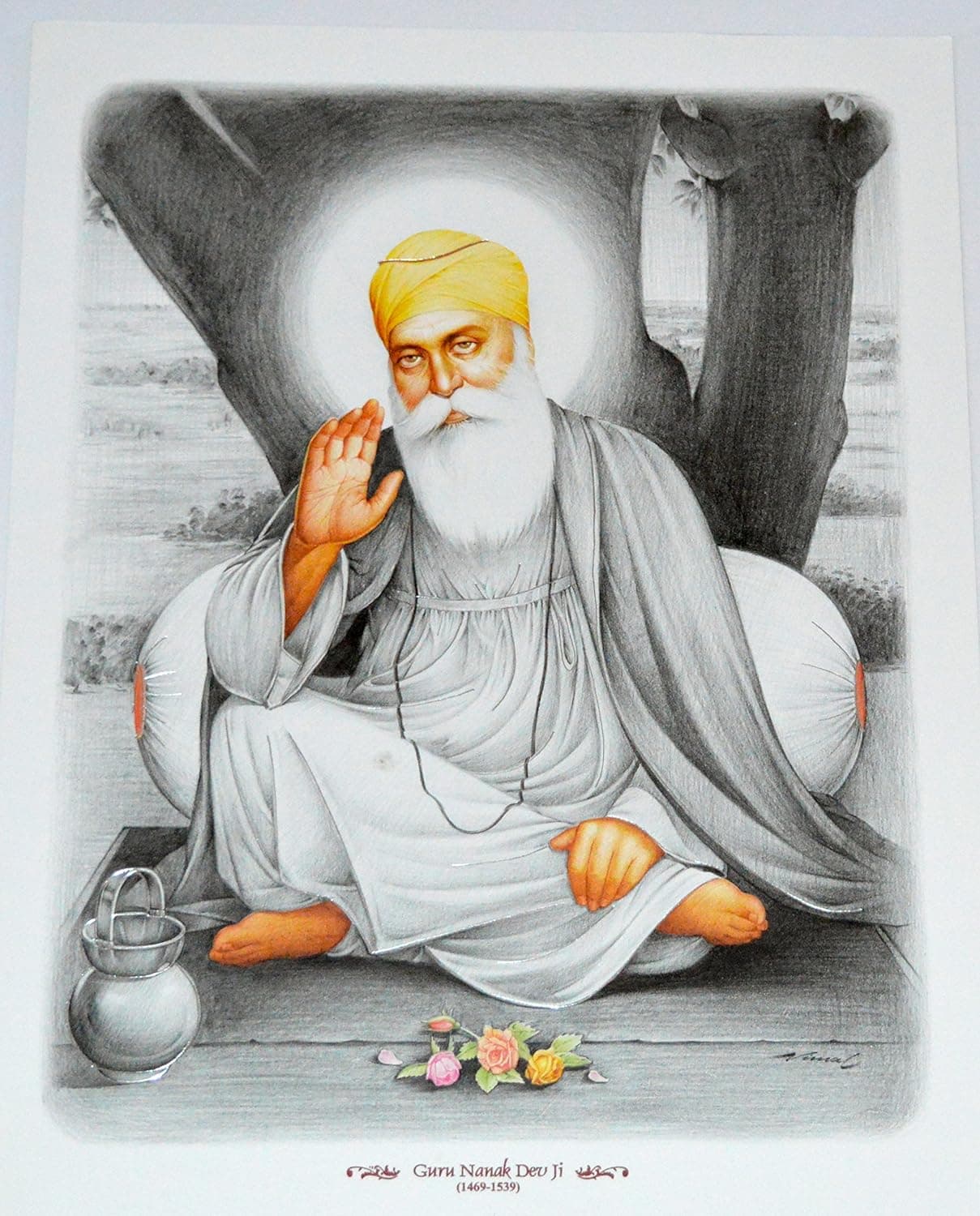
Guru Nanak Dev Ji
Guruship: 1469 - 1539
Founder of Sikhism, Guru Nanak Dev Ji travelled extensively spreading the message of one God (Ik Onkar), equality of all humans, and honest living. He composed the foundational scripture Japji Sahib and established the practice of Langar (community kitchen).
Key Contributions:
- Founded Sikhism
- Composed Japji Sahib
- Established Langar tradition
- Taught equality of all people
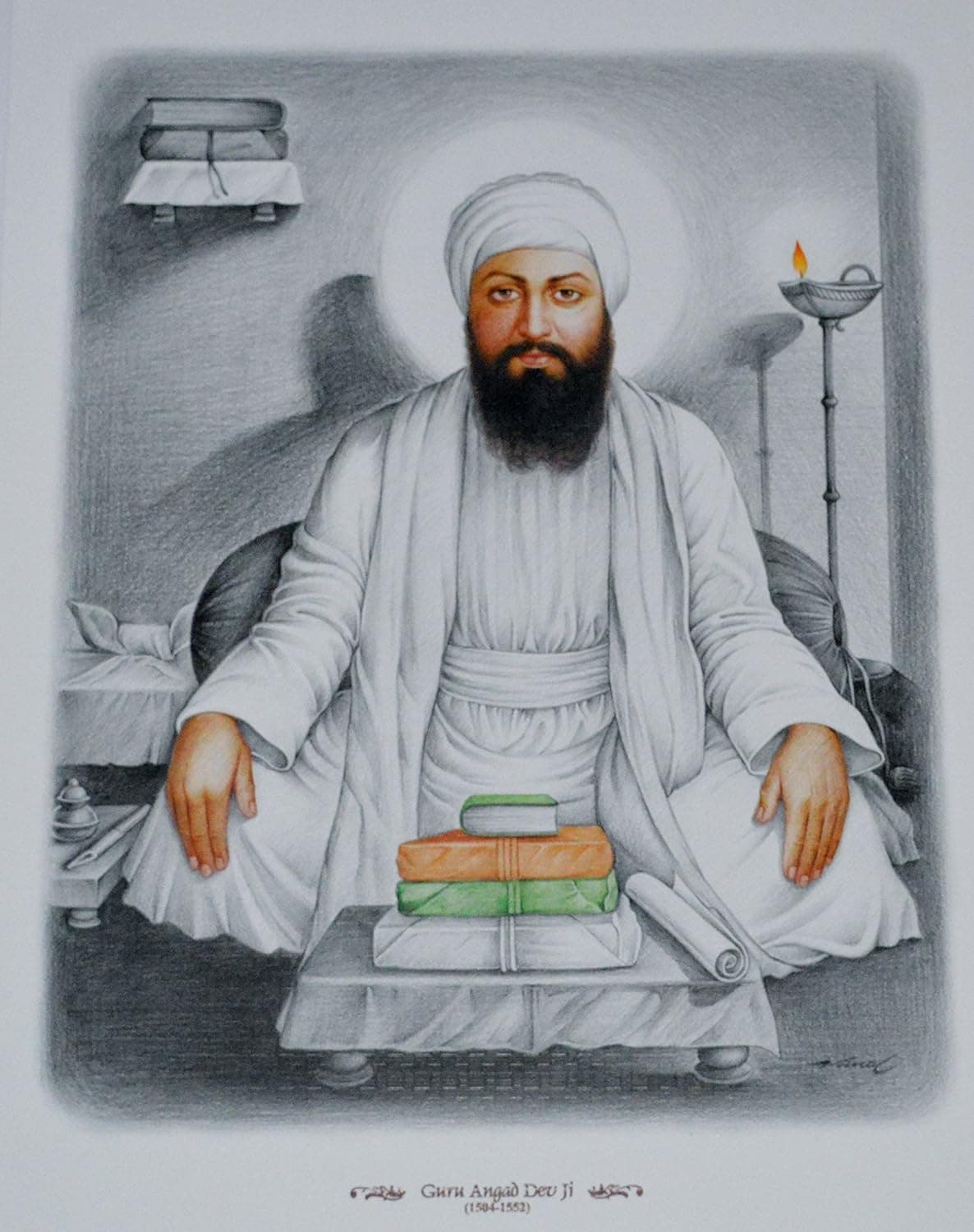
Guru Angad Dev Ji
Guruship: 1539 - 1552
Guru Angad Dev Ji standardized the Gurmukhi script, making the scriptures accessible to common people. He promoted physical fitness through wrestling (Mal Akhara) and continued to strengthen the Langar tradition.
Key Contributions:
- Standardized Gurmukhi script
- Promoted physical education
- Expanded Langar system
- Collected Guru Nanak's hymns
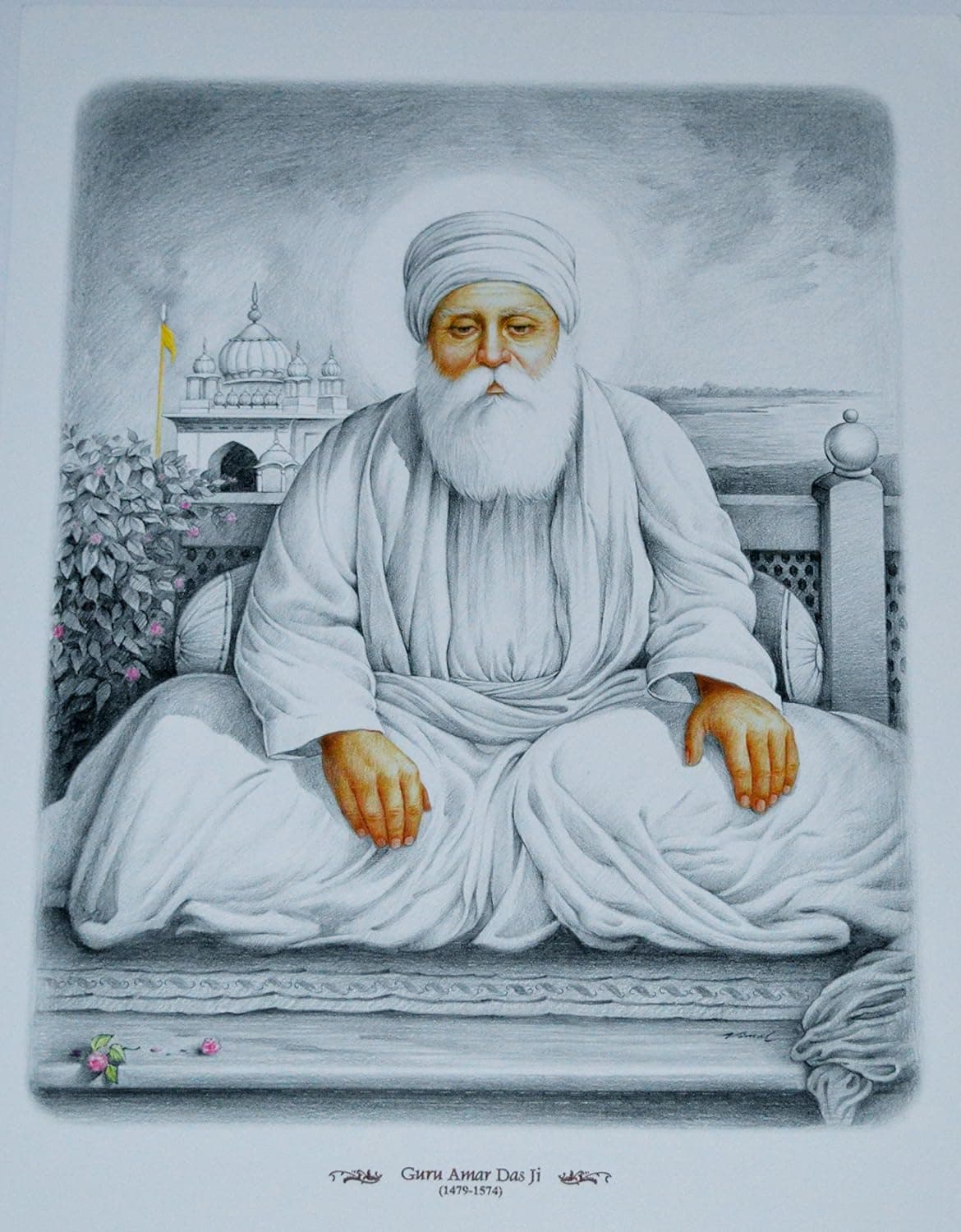
Guru Amar Das Ji
Guruship: 1552 - 1574
Guru Amar Das Ji established the Manji system for spreading Sikhism and fought against caste discrimination. He promoted equality of women, opposing practices like Sati and Purdah, and made Langar mandatory before meeting him.
Key Contributions:
- Established Manji system
- Fought caste discrimination
- Promoted women's equality
- Institutionalized Langar
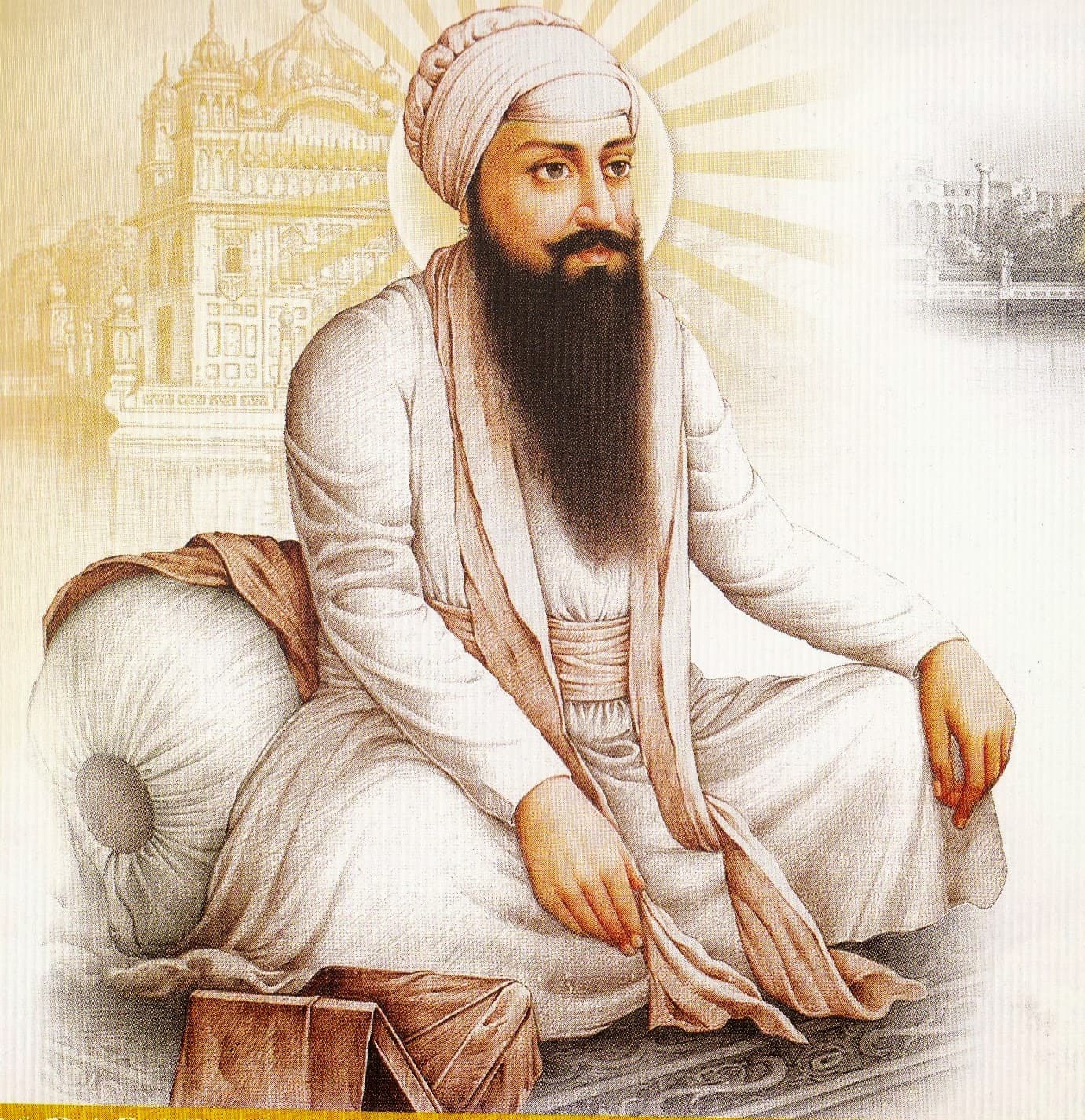
Guru Ram Das Ji
Guruship: 1574 - 1581
Guru Ram Das Ji founded the city of Amritsar and began construction of Harmandir Sahib (Golden Temple). He composed the Laavan, the beautiful hymns used in Sikh wedding ceremonies.
Key Contributions:
- Founded Amritsar city
- Began Harmandir Sahib construction
- Composed Laavan (wedding hymns)
- Established trade and commerce
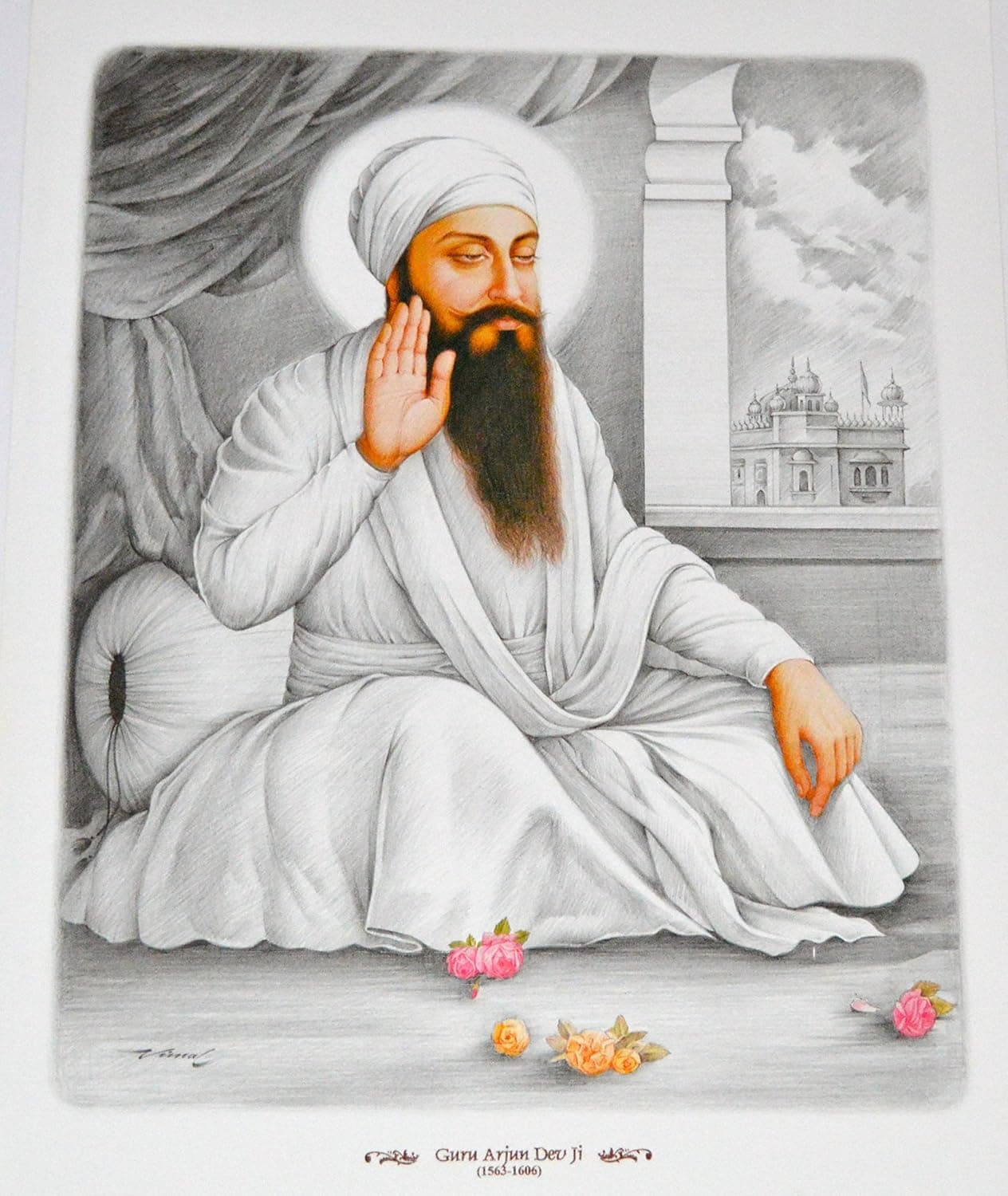
Guru Arjan Dev Ji
Guruship: 1581 - 1606
Guru Arjan Dev Ji compiled the Adi Granth (first version of Guru Granth Sahib), completed Harmandir Sahib, and became the first Sikh martyr. He was tortured and executed for refusing to convert to Islam.
Key Contributions:
- Compiled Adi Granth
- Completed Harmandir Sahib
- First Sikh martyr
- Composed over 2,000 hymns
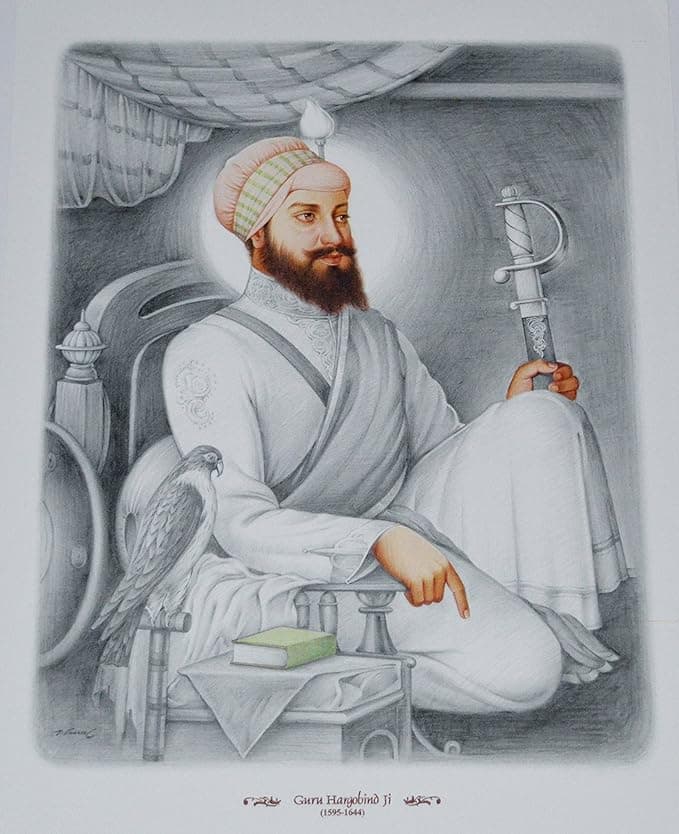
Guru Hargobind Ji
Guruship: 1606 - 1644
Guru Hargobind Ji introduced the concept of Miri-Piri (temporal and spiritual authority), wearing two swords representing these powers. He built the Akal Takht and militarized the Sikhs to defend against persecution.
Key Contributions:
- Introduced Miri-Piri concept
- Built Akal Takht
- Militarized Sikh community
- Freed 52 princes from prison
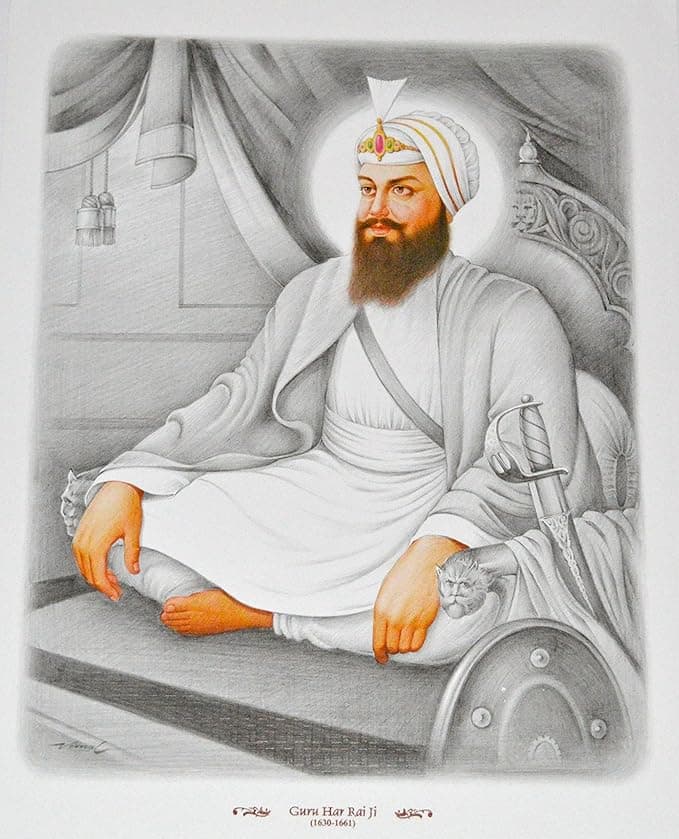
Guru Har Rai Ji
Guruship: 1644 - 1661
Guru Har Rai Ji maintained a large army while promoting peace and environmental protection. He established hospitals and herbal medicine centers, spreading Sikhi through missionaries across India.
Key Contributions:
- Promoted peace and nature
- Established herbal hospitals
- Sent missionaries across India
- Maintained defensive army
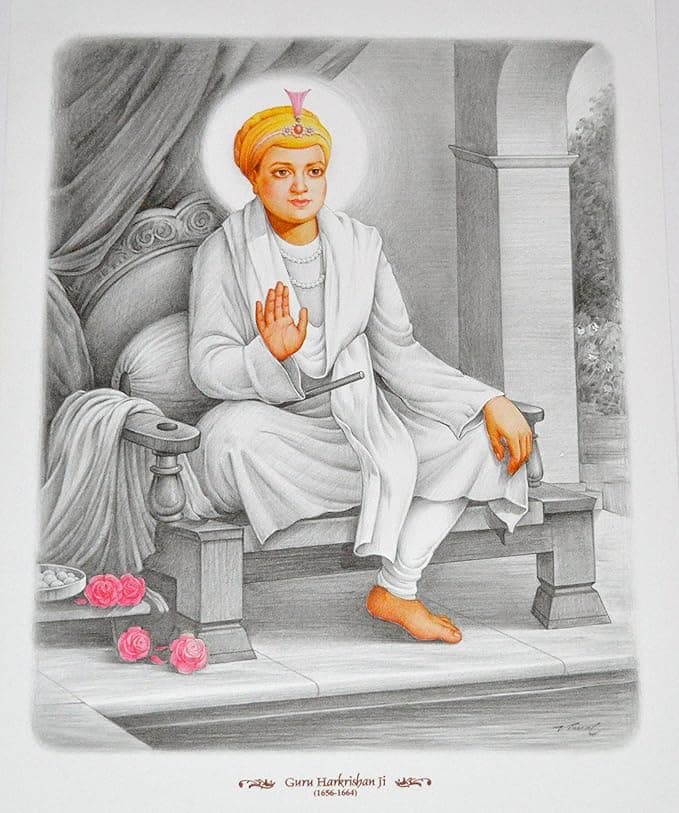
Guru Har Krishan Ji
Guruship: 1661 - 1664
Guru Har Krishan Ji became Guru at age 5, the youngest Guru in Sikh history. Known for selfless service during a smallpox epidemic in Delhi, he healed the sick before succumbing to the disease himself at age 8.
Key Contributions:
- Youngest Guru (age 5)
- Selfless service during epidemic
- Healed the sick in Delhi
- Symbol of compassion
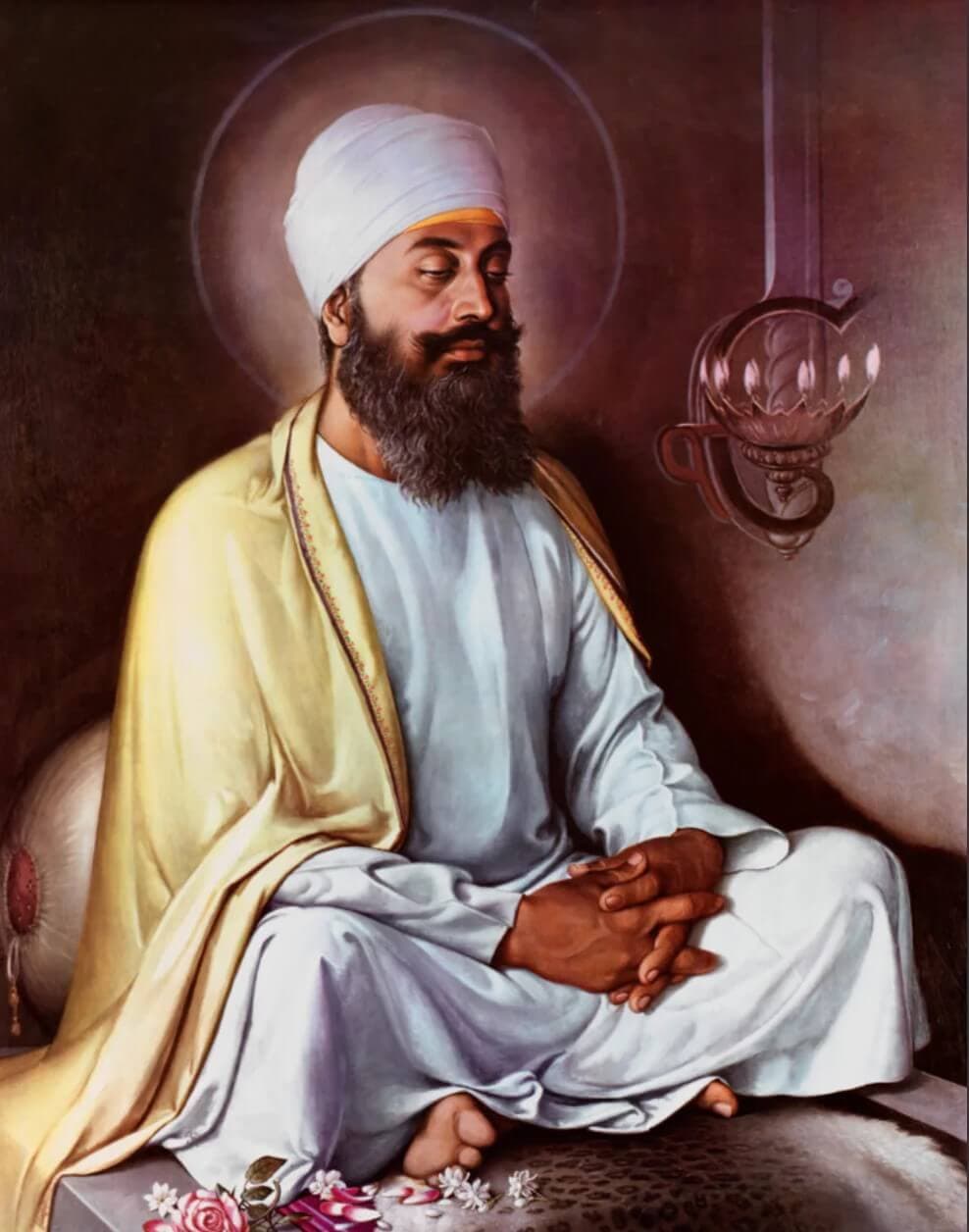
Guru Tegh Bahadur Ji
Guruship: 1664 - 1675
Guru Tegh Bahadur Ji sacrificed his life protecting the religious freedom of Kashmiri Pandits from forced conversion, becoming known as 'Hind Di Chadar' (Shield of India). He composed many hymns in Guru Granth Sahib.
Key Contributions:
- Protector of religious freedom
- Hind Di Chadar (Shield of India)
- Martyred for human rights
- Composed 116 hymns
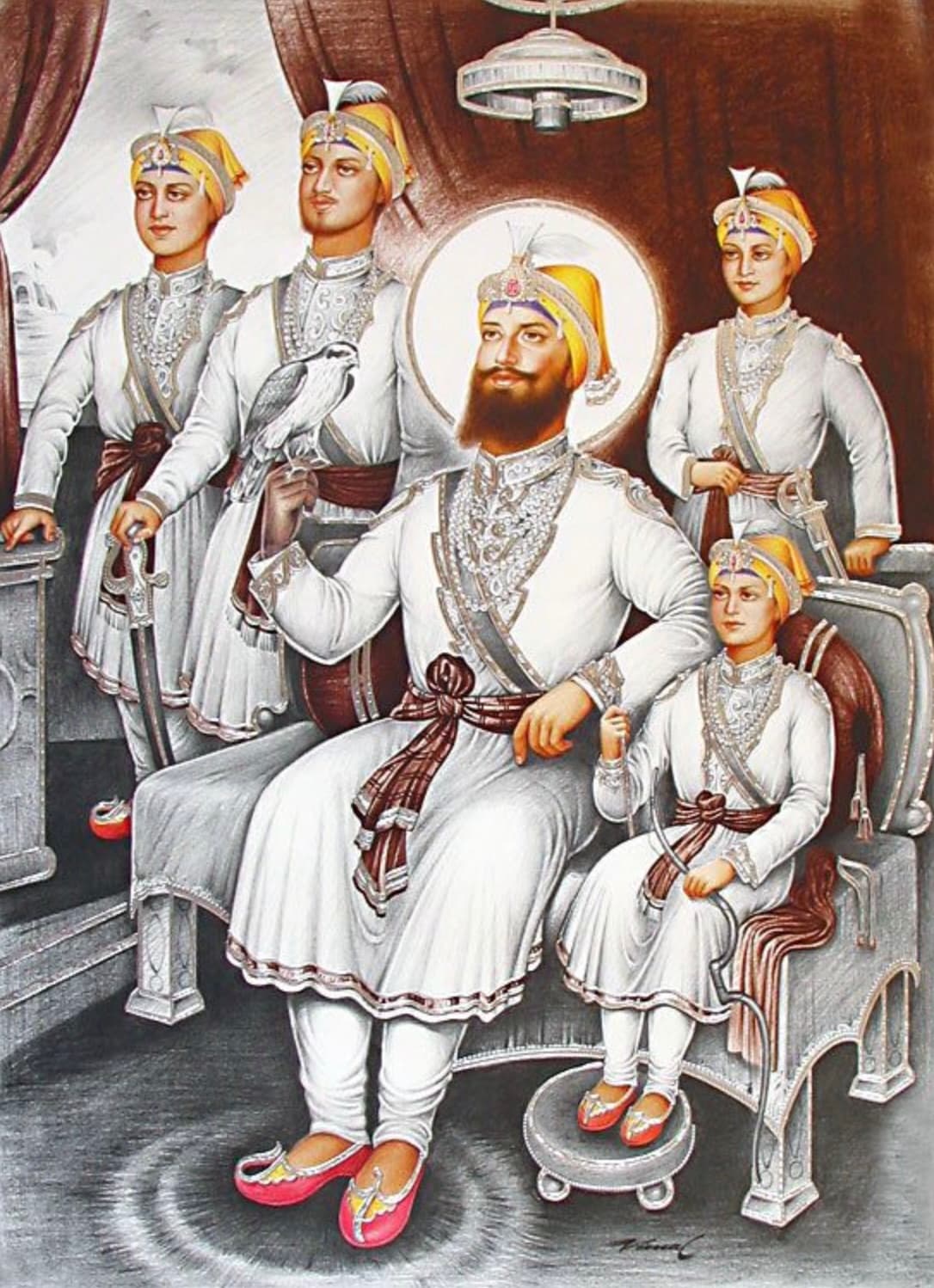
Guru Gobind Singh Ji
Guruship: 1675 - 1708
Guru Gobind Singh Ji created the Khalsa in 1699, establishing the Five Ks as articles of faith. He finalized the Guru Granth Sahib and declared it the eternal Guru for all Sikhs, ending the line of human Gurus.
Key Contributions:
- Created the Khalsa (1699)
- Established the Five Ks
- Finalized Guru Granth Sahib
- Declared scripture as eternal Guru